-
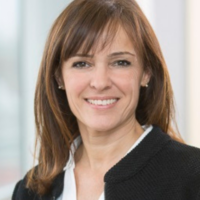
Anna Benet-Pages
PhD Medical Genetics Center Munich Anna Benet-Pages
PhD Medical Genetics Center MunichAnna has been Head of Bioinformatics at the Medical Genetics Centre Munich since 2011 and Scientific Coordinator for the German Human Genome Archive (GHGA) at the Institute of Neurogenomics, Helmholtz Munich since 2021. She is a long-standing research collaborator at the UCSC Genome Browser and has been a member of its Scientific Advisory Board (SAB) since 2022. She holds a PhD in Human Genetics and specialises in genome sequencing and data analysis, with a strong background in the clinical genetics of rare diseases. She has extensive experience in the interdisciplinary management of laboratory technology, bioinformatics, and scientific development across academic, clinical, and private practice settings. Anna has contributed to national and international publications on guidelines for genome and exome sequencing in clinical genetics testing and serves as an assessor for the External Quality Assessment scheme for Charcot-Marie-Tooth disease within the European Genetics Quality Network (EMQN). A strong advocate for education, she is an active member of the HUGO Education Committee, an instructor at the Variant Effect Prediction Training Course (VEPTC), and head of the Variant Interpretation Course of the German Society of Human Genetics Academy.
-
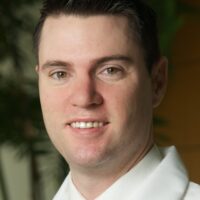
Noah Brown
MD University of Michigan Noah Brown
MD University of MichiganDr. Noah Brown received a B.S. in Biology from Stanford University in Stanford, California in 1999 and an M.D. from the University of Michigan in 2004. He also pursued both residency and fellowship training at the University of Michigan. His training included a residency in Anatomic and Clinical Pathology (2008-2013), and fellowships in Hematopathology (2011-2012) and Molecular and Genetic Pathology (2013-2014). Dr. Brown is board certified in Anatomic and Clinical Pathology, Hematopathology and Molecular Genetic Pathology and was awarded the Association for Molecular Pathology (AMP) Young Investigator Award. He joined the faculty of the Department of Pathology at the University of Michigan in 2014 as an Assistant Professor. He became Director of the Molecular Diagnostics Laboratory at the University of Michigan in 2015 and is now a Clinical Professor. He has been active in numerous AMP committees including the clinical practice, program and nominating committees, previous Chair of the Molecular Genetic Pathology Program Council and several AMP working groups. He has authored or co-authored more than 70 peer-reviewed articles as well as several book chapters.
-
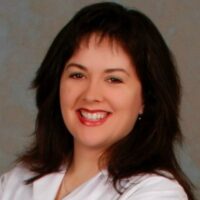
Alexis Carter
MD Children's Healthcare of Atlanta Alexis Carter
MD Children's Healthcare of AtlantaAlexis Carter, MD, is an actively practicing Molecular Genetic Pathologist and Physician Informaticist for the Laboratory at Children’s Healthcare of Atlanta and an Adjunct Associate Professor within the Department of Pathology and Laboratory Medicine at Emory University. She is the Program Director for the inaugural Emory Clinical Informatics Fellowship program and is teaching faculty for the American Medical Informatics Association (AMIA) Clinical Informatics Board Review Course for physicians. She is the chair of the Association for Molecular Pathology (AMP) Electronic Health Records and Genomics Working Group and a past AMP secretary/treasurer and past chair of the Informatics Subdivision. She is the current Secretary for the Clinical and Laboratory Standards Institute document development committee for two-dimensional barcoding for both clinical and anatomic pathology laboratory specimens. She was the senior author for the guideline on validation of next-generation sequencing bioinformatics pipelines from AMP, the College of American Pathologists (CAP), and AMIA. She is an Associate Editor for Administrative and Regulatory Affairs for Archives of Pathology and Laboratory Medicine, an editorial board member of the Journal of Pathology Informatics, a former Associate Editor of the Journal of Molecular Diagnostics, and a reviewer for multiple scientific journals in molecular diagnostics, genetics and informatics. She is board certified in clinical informatics, molecular genetic pathology, anatomic pathology and clinical pathology.
-

Dan Diekema
MD MaineHealth--Tufts University School of Medicine Dan Diekema
MD MaineHealth--Tufts University School of MedicineDr. Daniel Diekema is a Professor of Medicine at Tufts University School of Medicine, and Chief of the Infectious Diseases Division at Maine Medical Center in Portland, Maine. He also serves as Medical Director of Epidemiology and Infection Prevention for the MaineHealth system. As a hospital epidemiologist, infectious diseases clinician and clinical microbiologist, Dr. Diekema’s clinical and research interests include the epidemiology and prevention of antimicrobial resistance and healthcare-associated infections, and stewardship of infectious diseases diagnostic testing. He has authored or co-authored over 300 peer-reviewed papers in these subject areas. Dr. Diekema is a past president of the Society for Healthcare Epidemiology of America, and was a member and co-chair of the CDC’s Healthcare Infection Control Practices Advisory Committee.
-
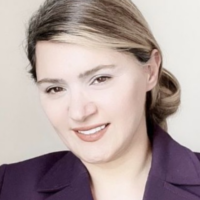
Arezou Ghazani
PhD Brigham and Women’s Hospital, Harvard Medical School Arezou Ghazani
PhD Brigham and Women’s Hospital, Harvard Medical SchoolDr. Arezou Ghazani is the Director of Clinical Genomics at Brigham Genomic Medicine at Brigham and Women’s Hospital and a faculty member at Harvard Medical School. She is a board-certified medical geneticist by the American Board of Medical Genetics and Genomics (ABMGG). In her clinical leadership role, Dr. Ghazani has led the development and implementation of multiple genomic programs, platforms, and innovative methods for the advanced clinical interpretation of complex genomic alterations.Dr. Ghazani is the Founder and Chair of the INT²GRATE | Oncology Consortium, an international, multi-institutional collaboration dedicated to advancing precision oncology through the integration of constitutional and tumor-derived data. As part of this initiative, she led the development of the first publicly available INT²GRATE Variant Data Portal, the first and only resource to deliver clinical actionability assessments of cancer variants, achieved through integration of tumor and germline evidence and performing a full assessment of differential diagnoses and allelic conditions across both somatic and germline contexts. The portal currently contains over 5,000 data points.In addition, Dr. Ghazani establishes and directs translational, multi-institutional clinical genomic programs focused on large-scale genome analysis across diverse cancer populations and pediatric cohorts with rare genetic conditions, including the application of long-read sequencing technologies. Her work aims to bridge scientific innovation with clinical implementation, with the overarching goal of integrating comprehensive genomic data into routine patient care to enhance clinical decision-making and advance precision medicine. -
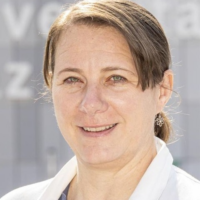
Ellen Heitzer
PhD Medical University of Graz Ellen Heitzer
PhD Medical University of GrazEllen Heitzer works at the Institute for Human Genetics in Graz, Austria, where she heads the Research Unit “Liquid Biopsies for Personalized Medicine in Cancer”. Professor Heitzer has a particular research focus on circulating tumor DNA (ctDNA), and her group has developed and implemented a range of analytical approaches to investigate tumor evolution non-invasively and to use ctDNA as a biomarker for therapy response monitoring. In addition, she is actively involved in clinical liquid profiling and plays an important role in molecular tumor boards (MTBs), contributing her expertise to precision oncology decision-making. Her scientific expertise is internationally recognized, as reflected by numerous invitations to speak at international congresses and to contribute reviews to high-impact journals. As a steering committee member of the European Liquid Biopsy Society (ELBS), she actively promotes the standardization and guideline development of liquid biopsy approaches to facilitate their broad clinical implementation. As an EU-registered Clinical Laboratory Geneticist and head of the molecular genetics branch at the D&F Institute for Human Genetics, Professor Heitzer is also involved in routine diagnostics of hereditary diseases, with a particular focus on familial cancer syndromes.
-

Sue Hill
Professor National Health Service (NHS) England Sue Hill
Professor National Health Service (NHS) EnglandProfessor Dame Sue Hill DBE FMedSci FRSB FRCP(Hon) FRCPath (Hon) FHCS (Hon) is the Chief Scientific Officer for England and the NHS in England, is the Head of Profession for the scientific workforce and provides scientific leadership and advice for the wider health and care system. A respiratory scientist by background, she has an international academic and clinical research reputation Dame Sue leads and directs Genomics in the NHS, driving the world-leading programme to introduce a nationwide Genomic Medicine Service working in partnership between the NHS and academia, industry, UK and international governments/initiatives, building on her work in heading up the NHS contribution to the world-leading 100,000 Genomes Project. Sue was made a Dame Commander in 2018 in recognition of the scale of her contribution to British genomics, having previously been awarded an OBE in 2005 in recognition of her services to healthcare science.
-
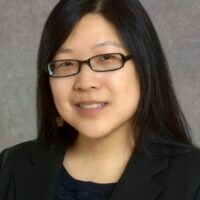
Susan J. Hsiao
MD, PhD Columbia University Medical Center Susan J. Hsiao
MD, PhD Columbia University Medical CenterSusan J. Hsiao, MD, PhD is an Associate Professor in the Department of Pathology and Cell Biology at Columbia University Medical Center. She serves as an Assistant Director and Director of Bioinformatics in the Laboratory of Personalized Genomic Medicine. Her interests include translational research in cancer genomics, improvements in storage and reporting of clinical genomics data, and utilization, coverage and reimbursement of molecular assays. She received her MD and PhD degrees from New York University School of Medicine. She completed residency training in anatomic pathology at New York Presbyterian Hospital/Columbia University Medical Center and completed fellowship training in molecular genetic pathology at University of Pittsburgh Medical Center.
-

Sanjat Kanjilal
MD, MPH Amsterdam University Medical Center Sanjat Kanjilal
MD, MPH Amsterdam University Medical CenterDr. Sanjat Kanjilal is the Group Leader for the Microbiology Informatics Team at the Amsterdam University Medical Center. Prior to that he was an Assistant Professor at Harvard Medical School. His research interests focus on building a learning health system for infectious diseases and clinical microbiology.
-
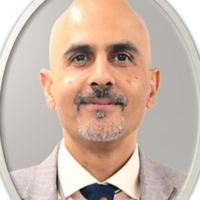
Salman Kirmani
Aga Khan University, Karachi Salman Kirmani
Aga Khan University, KarachiProfessor Salman Kirmani is Director, Centre of Excellence for Women and Child Health (South & Central Asia and East Africa); Chair, Division of Women & Child Health; and Professor and Section Head in the Department of Paediatrics and Child Health at Aga Khan University, Karachi, PakistanHe is a distinguished Medical Geneticist and Pediatric Endocrinologist with extensive clinical, academic, and leadership experience in Pakistan and internationally. He received his advanced training and has practised at the Mayo Clinic, USA, where his excellence in medical education was recognized with the Mayo Fellows Association Teacher of the Year Award on two occasions—a distinction reflecting his commitment to mentorship and clinical teaching.Professor Kirmani has authored over 120 peer-reviewed publications, contributing significantly to the fields of paediatric genetics, endocrinology, and inherited metabolic disorders. His work has helped shape clinical practice, research capacity, and training in low- and middle-income settings.As an educator, clinician, and academic leader, he has played a pivotal role in advancing paediatric care, genetic services, and research infrastructure in Pakistan, while maintaining strong global collaborations that extend the impact of his work beyond national boundaries. -

Jonathan Ledermann
MD University College London Jonathan Ledermann
MD University College LondonJonathan Ledermann BSc MD, FRCP FMedSci UCL Cancer Institute, UK Jonathan Ledermann is a Professor of Medical Oncology at UCL Cancer Institute, University College London, and a Consultant Medical Oncologist at UCL Hospitals, London, UK where he has worked for more than 35 years. For 22 years, he was the Director of the Cancer Research UK & UCL Cancer Trials Centre He specialises in the treatment of gynaecological cancers and has led several national and international trials in ovarian cancer. He is a Fellow of the Academy of Medical Sciences in the UK and was a past Vice-President of ESGO and a past chair of the NCRI UK Gynaecological Cancer Trials Group and Rare Tumour Group of the Gynaecological Cancer Intergroup. He has been on Council of IGCS and the BGCS (British Gynaecological Cancer Society). He is the former subject Editor for ESMO Gynaecological Cancer Practice Guidelines. He serves on Editorial Boards of several scientific journals and has published widely in the areas of clinical trials in gynaecological cancers, experimental therapeutics, guidelines, and education in gynaecological malignancies
-

Neal Lindeman
MD Weill Cornell Medicine/NewYork-Presbyterian Hospital Neal Lindeman
MD Weill Cornell Medicine/NewYork-Presbyterian HospitalNeal Lindeman, M.D., is Faculty Distinguished Professor (II) and Vice Chair for Laboratory Medicine and Genomic Pathology at Weill Cornell Medicine. His primary expertise is in Molecular Diagnostics of Cancer, particularly Lung Cancer. He has authored over 200 publications, including the first report of EGFR mutations as determinants of favorable response to treatment with targeted inhibitors in lung cancer, which helped to usher in the era of precision oncology, and the evidence-based practice guidelines for molecular testing in lung cancer jointly developed by three organizations: CAP, AMP, and IASLC. In addition, has guided the development of over two dozen new clinical lab tests, including the world’s first clinical tests for EGFR mutations in Lung Cancer and MYD88 mutations in Waldenstrom’s Macroglobulinemia, and one of the world’s first comprehensive next generation sequencing assays for concurrent assessment of hundreds of genes across all types of cancer. He has received numerous awards for his scientific contributions and practice of Pathology, including the Team Science Award from AACR, the Distinguished Patient Care Award from CAP, and the Gerald Evans Award from ACLPS.
-

Sanam Loghavi
MD MD Anderson Cancer Center Sanam Loghavi
MD MD Anderson Cancer CenterSanam Loghavi is an Associate Professor of Pathology and Laboratory Medicine at the Department of Hematopathology at MD Anderson Cancer Center. She is Board-certified in hematopathology and molecular pathology and specializes in hematologic malignancies, particularly myeloid neoplasms. Her research interests include molecular risk stratification of hematologic neoplasms and measurable residual disease detection. She is the Medical Director of the ECOG/ACRIN Leukemia Bank at the Central Biorepository and Pathology Facility at MD Anderson. She has authored more than 320 peer-reviewed publications focused on hematologic neoplasms and is a co-investigator on several national and internationally run clinical trials for hematologic malignancies. She is the Editor in Chief of the American Society of Hematology (ASH) Image Bank. She serves on various national committees, including the Hematopathology Scientific Committee for the American Society of Hematology (ASH) and the HPATH Committee of the College of American Pathologists. -

Lili Milani
PhD Estonian Genome Centre, University of Tartu Lili Milani
PhD Estonian Genome Centre, University of TartuLili Milani is Head of the Estonian Biobank and Professor of Pharmacogenomics at the University of Tartu. She is part of the core team behind the design and implementation of the national strategy for personalized medicine in Estonia in close collaboration with Tartu University Hospital, the Ministry of Social Affairs, and the Estonian Health Insurance Fund. The expectations for personalized medicine are very high in Estonia, and several implementation projects focusing on genomics for disease prevention have been piloted based on 210,000 genotyped Estonian biobank participants. Most recently, the MyGenome portal was opened for all biobank participants, sharing personalized information on risk for common chronic diseases based on genetics and lifestyle, pharmacogenetic reports and fun facts. In 2024, the Estonian Biobank launched the project of sequencing the genomes of 10,000 biobank participants with PacBio Long Reads. The generated data is expected to benefit research on interindividual variability in drug response, detection of rare and common single-nucleotide and structural variants and contribute to improved personalized medicine.
-
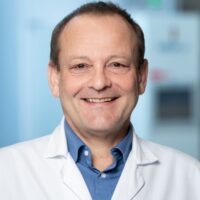
Oliver Nolte
PhD Institute of Medical Microbiology, University of Zurich Oliver Nolte
PhD Institute of Medical Microbiology, University of ZurichOliver Nolte is Head of the Diagnostics Department and member of the extended institute management at the Institute of Medical Microbiology, University of Zurich (since 2023). He is a board-certified specialist in laboratory medicine (FAMH) with a focus on clinical microbiology and holds the venia legendi in Medical Microbiology and Infection Epidemiology (University of Heidelberg). His professional background spans diagnostic bacteriology, hygiene and infection prevention, and infection epidemiology.A central theme of his career is the translation of automation and digital technologies into routine microbiological diagnostics. He contributed early to the introduction of automated inoculation and streaking systems in the German-speaking region and, as Head of Human Microbiology and a management board member at the Center for Laboratory Medicine St. Gallen (2014–2023), led the implementation of one of Europe’s most advanced total laboratory automation installations (WASPLab). From 2022 onwards, he expanded these workflows with AI-enabled culture reading for assisted pre-classification of urine cultures and established a pioneering slide-scanner pipeline for digitizing diagnostic microscopy, enabling deep-learning approaches for routine Gram-stain interpretation (PMID: 38506525).At the University of Zurich, his group systematically evaluates machine learning and artificial intelligence for diagnostic bacteriology within quality-managed, ISO-aligned workflows. Current activities include AI-assisted interpretation of digitized microscopy, image- and measurement-based decision support for antimicrobial susceptibility testing, and AI agents supporting early recognition of resistance mechanisms from routine disc-diffusion data (PMID: 39417635 , PMID: 41238587). Complementing phenotypic testing, he integrates whole-genome sequencing as a mechanistic reference to validate algorithms and to develop pragmatic diagnostic strategies for multidrug-resistant pathogens. He has co-authored peer-reviewed work on AI-enabled microbiology and AMR decision support and epidemiology in journals including Journal of Clinical Microbiology, New England Journal of Medicine and Nature Communications. -
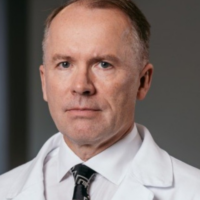
Peeter Padrik
MD, PhD Antegenes Peeter Padrik
MD, PhD AntegenesDr. Peeter Padrik is a medical oncologist, scientist, and healthcare entrepreneur with more than 30 years of experience in clinical, research, leadership, and healthcare management roles. He has served as the Head of the Haematology & Oncology Clinic, Director of the Cancer Centre at Tartu University Hospital, and Associate Professor of Oncology at the University of Tartu. Dr. Padrik is a medical oncologist with breast cancer patients at Tartu University Hospital, Tartu, Estonia. Dr. Padrik is also a pioneer in incorporating innovative genetic information into healthcare, initially through research projects and academic clinical practice, and is currently the Founder and CEO of Antegenes. Antegenes is a health-tech company, clinic, and lab that develops and implements personalized cancer prevention strategies using innovative clinical genetic tests based on polygenic risk score (PRS) technology. Antegenes has developed into clinical use innovative PRS test for breast cancer and a model for genetics-based personalized breast cancer prevention. Dr. Padrik’s vision and goal are to extend the life expectancy of individuals by integrating genetics-based personalized prevention strategies against common cancers
-

Trevor Pugh
PhD Princess Margaret Cancer Centre / Ontario Institute for Cancer Research Trevor Pugh
PhD Princess Margaret Cancer Centre / Ontario Institute for Cancer ResearchDr. Trevor Pugh, PhD, FACMG is a cancer genomics researcher and board-certified molecular geneticist at the forefront of precision medicine. As holder of the Canada Research Chair in Translational Genomics, he uses genome sequencing to understand causes of cancer, guide treatment of patients, and detect early disease using blood tests. He is appointed as Professor in the University of Toronto Department of Medical Biophysics, Senior Scientist at the Princess Margaret Cancer Centre, and Senior Investigator at the Ontario Institute for Cancer Research. He directs the OICR Genomics Program and the Princess Margaret Genomics Centre, genomics cores that specialize in single cell, cell-free DNA and clinically-accredited whole genome sequencing. He has contributed to multiple large-scale genomics and data-sharing programs including The Cancer Genome Atlas, NCI TARGET, AACR GENIE, and the Terry Fox Marathon of Hope Cancer Centres Network. He leads the CHARM Consortium, an initiative to use cell-free DNA monitoring for all people with an inherited predisposition to cancer. Last year, Dr. Pugh was inducted into the Royal Society of Canada College of New Scholars, Artists, and Scientists.
-
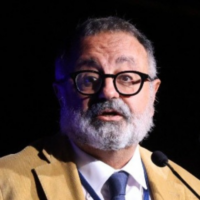
Manuel Salto-Tellez
MD Queen's University Belfast & Institute for Cancer Research Manuel Salto-Tellez
MD Queen's University Belfast & Institute for Cancer ResearchProfessor Manuel Salto-Tellez (MST) (MD-LMS, FRCPath, FRCPI) is the Chair of Molecular Pathology at Queen’s University Belfast (QUB), a clinical consultant pathologist and the Lead of QUB’s Precision Medicine Centre of Excellence. He is also the Professor on Integrative Pathology at the Institute for Cancer Research in London (ICR), and the lead of the Royal Marsden Hospital / ICR Integrated Pathology Unit.MST studied Medicine in Spain (Oviedo), Germany (Aachen) and The Netherlands (Leiden). He specialized in Histopathology in the UK (Edinburgh and London) and in Molecular Pathology in USA (Philadelphia). For more than 10 years he worked at the National University of Singapore and its National University Hospital, where he was associate professor, senior consultant, and Vice-dean for Research.MST is author or co-author of more than 340 internationally peer-reviewed articles in translational science, molecular pathology and diagnostics, has published a similar number of abstracts in international conferences, and is editor or contributor to some of the key textbooks of pathology and oncology, including the WHO Blue book on Digestive Tract (5th edition); Ian Talbot, Ashley Price, Manuel Salto-Tellez. Biopsy Pathology in Colorectal Disease; and the Oxford Textbook of Oncology. MST serves and has served in key committees related to cancer research, at national and international levels, and has won more than £100M of research funds as PI or co-PI. He is scientific advisor to 2 companies in the digital pathology and artificial intelligence.MST is a international leader in the development and integration of complex tissue diagnosis, molecular diagnostics, artificial intelligence and multomodal analysis. -
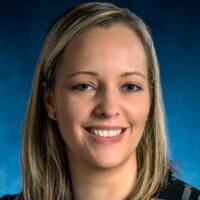
Trish Simner
PhD Mayo Clinic Trish Simner
PhD Mayo ClinicDr. Patricia (Trish) Simner, PhD, D(ABMM), is a Professor of Laboratory Medicine and Pathology at the Mayo Clinic and an Adjunct Professor of Medicine at the Johns Hopkins University School of Medicine. As a clinical microbiologist, she is the Director of the Clinical Microbiology and Molecular Laboratory at the Mayo Clinic in Rochester, MN. She completed her PhD at the University of Manitoba in Manitoba, Canada and a two-year Clinical Microbiology Fellowship at the Mayo Clinic. She is widely regarded internationally as an expert in the field of mechanisms of antimicrobial resistance. Her research has focused on understanding the molecular epidemiology and mechanisms of resistance of gram-negative bacteria, in particular those harboring β-lactamases. She also is involved in investigating novel diagnostic tools to rapidly identify infectious pathogens and in developing next-generation sequencing modalities as methodology in clinical microbiology laboratories. Her work has resulted in greater than 150 peer-reviewed manuscripts.Dr. Simner was the recipient of a Clinical and Laboratory Standards Institute (CLSI) Service Award in 2023, the 2024 College of American Pathologists (CAP) Meritorious Service Award and was recognized with the Faculty of Science Exceptional Achievement Honored Alumni Award from the alma mater, University of Manitoba.Dr. Simner is a voting member on the Subcommittee on Antimicrobial Susceptibility Testing for the Clinical and Laboratory Standards Institute, the Vice Chair of the Antibacterial Resistance Leadership Group (ARLG) Diagnostic Committee and a steering member of The Consortium for Clinical Metagenomics in Infectious Diseases. She is an Editor for the Journal of Clinical Microbiology and a Section Editor for the Manual of Clinical Microbiology and Clinical Microbiology Procedures Handbook. -
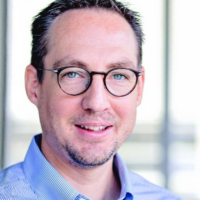
Albrecht Stenzinger
MD University Hospital Heidelberg Albrecht Stenzinger
MD University Hospital HeidelbergAlbrecht Stenzinger is Professor of Molecular Tumor Pathology, Vice Chair of the Institute of Pathology (IPH), as well as the Director of the IPH Center for Molecular Pathology (CMP) and Section Head for Molecular Diagnostics and Biomarker Development at the Institute of Pathology, University Hospital Heidelberg, Germany. Dr. Stenzinger is holding an MD degree from the University of Giessen, completed his residency and fellowship training in pathology at the Charité University Hospital, Berlin and the University Hospital Heidelberg. He is a board- certified surgical pathologist, molecular pathologist, and senior attending. Dr. Stenzinger received postdoctoral training at the University of Heidelberg and Massachusetts General Hospital/Harvard Medical School, USA. He has broad expertise in molecular pathology as well as molecular diagnostics and works in the field of translational research and genetics of solid tumors. -
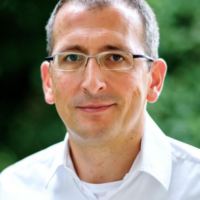
Christian Thiede
University Hospital Carl Gustav Carus Christian Thiede
University Hospital Carl Gustav CarusProfessor of Molecular Hematology (TU Dresden Medical Faculty) and CEO AgenDix GmbH.
Christian Thiede studied medicine in Berlin and did his Post-Doc at the Humbold-University in Berlin before moving to Dresden. Since 2006, he holds a position as Professor of Molecular Hematology at the TU Dresden. During the last 25 years, Dr. Thiede has focused his work mainly on the molecular characterization of patients with acute myeloid leukemia (AML) and the use of molecular techniques to monitor treatment response in patients with AML (MRD).
Dr. Thiede is member of the ELN-foundation and lead participant of several key working parties of the European Leukemia Network, including WP5 (AML), WP12 (MRD) as well as the ELN-DAVID initiative on MRD-standardization in AML, member of the EHA AML-scientific working group.
-
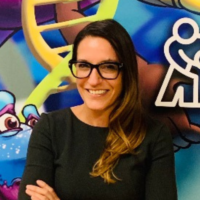
Isabelle Thiffault
PhD Children's Mercy Hospital Isabelle Thiffault
PhD Children's Mercy HospitalIsabelle Thiffault serves as an Assistant Director of the Clinical laboratory at Children’s Mercy Hospital, Director of Translational Genomics at the Genomic Medicine Center at Children’s Mercy Research Institute since 2014 and professor at The University of Missouri-Kansas City, School of Medicine. She received a Master of Human Genetics from McGill University, Montreal, Canada (2004). She obtained a Doctorate from the Research Centre of the Centre Hospitalier de l’Université de Montréal (2009), and a Postdoctoral Fellowship in Experimental Therapeutics at the McGill University NEURO Institute (2012). Following her postdoctoral position, she completed a three-year clinical fellowship training in molecular genetics (McGill University) and successfully passed the American Board of Medical Genetics and Genomics (ABMGG), examinations in 2015. She has a broad background in genetics and genomics. She is currently part of 5 National Institutes of Health (NIH) grants. Her research at Genomic Answers for Kids (GA4K) focuses on the application of next-generation and genomic tools for molecular diagnosis of rare infantile diseases by the integration of effective computational strategy and functional analysis to characterize the pathogenicity of variants. We have recruited over 18k individuals (>8k families) and surpassed 2,300 rare diagnoses through our groundbreaking work—far out-pacing other rare disease research programs—and continue to conduct cutting-edge science that has led to several “firsts” in the field of genomics research. We have produced > 3000 HiFi long-read genomes, the first to use 5-base sequencing. Following our research initiative, we completed the clinical validation of HiFi genome sequencing, and we were the first center offering it as clinical genomic testing for critically ill patients. Isabelle has published >150 peer-review articles and demonstrates a record of accomplished and productive research projects in an area of high relevance to rare diseases.
-
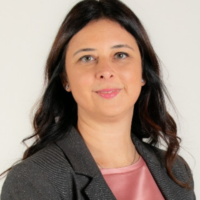
Susanna Zucca
PhD enGenome SRL Susanna Zucca
PhD enGenome SRLSusanna Zucca is Chief Science Officer at enGenome SRL, where she brings deep expertise in genomic data analysis and the development of advanced bioinformatics tools. With a strong academic background, she leads and guides innovative scientific projects, with a particular focus on the integration of generative AI technologies to enhance the interpretation and usability of genomic data.